Easy Daily Habits That Reduce Life's Overwhelm
Taming the Tidal Wave of Daily Overwhelm
Modern life often feels like a relentless tide of tasks, notifications, and responsibilities that can easily sweep us away. This constant state of overwhelm affects not only our productivity but also our overall well-being, leaving many feeling drained and disconnected. Recognizing this widespread challenge is the first step toward reclaiming a sense of balance and peace.

The Pervasive Nature of Overwhelm and Its Impact
Feeling overwhelmed has become a common experience for many, often leading to increased stress and reduced mental clarity. When daily pressures accumulate, they can cloud judgment and make even simple decisions feel daunting. This state not only affects emotional health but can also disrupt sleep, focus, and motivation, creating a cycle that’s hard to break.
Simple Habits as a Proactive Strategy to Reduce Overwhelm
Introducing simple habits into your daily routine offers a practical way to manage and reduce feelings of overwhelm. These small, consistent actions serve as anchors, helping to create structure and calm amid the chaos. Whether it’s setting clear boundaries, practicing gratitude, or batching tasks, these habits gently guide the mind toward a more centered state.
Cultivating a Calm Lifestyle Through Consistent, Small Actions
Building a calm lifestyle doesn’t require drastic changes. Instead, it grows from the steady practice of manageable habits that support well-being. Over time, these habits accumulate, fostering resilience and a clearer mental space. This approach encourages mindfulness and intentional living, making it easier to navigate daily challenges with a sense of ease.
Embarking on a Journey of Daily Habit Integration
As you explore ways to reduce overwhelm, you’ll discover a variety of stress relief tips and stress relief habits that fit your unique rhythm. From simple boundaries that protect your time to evening wind-down routines that prepare you for restful sleep, each habit contributes to a more balanced life. This journey is about progress, not perfection, inviting you to embrace small steps that lead to meaningful change.
Kickstarting Your Day with Intentional Morning Habits
Starting your day with purpose can set a positive tone that carries through every hour. Rather than simply reacting to a long list of tasks, adopting a mindful morning routine helps create a foundation of calm and focus. This approach encourages you to engage with your day thoughtfully, reducing feelings of overwhelm before they begin.
Moving Beyond Reactive Task Management
Many mornings begin with a rush to check off urgent tasks, which can leave you feeling scattered and stressed. Instead, taking a moment to center yourself allows you to approach your responsibilities with clarity. This shift from reactive to intentional action helps you prioritize what truly matters, making your day feel more manageable and less chaotic.
The Power of Hydration and Light Movement
Simple physical acts like drinking a glass of water and engaging in gentle stretching or light movement can have immediate benefits for your mental clarity. Hydration wakes up your body and mind, while movement stimulates circulation and releases tension. These small steps can refresh your senses and prepare you to face the day with a calm mindset.
Setting Daily Intentions and Priorities
Rather than overwhelming yourself with a lengthy to-do list, focus on setting clear intentions and identifying a few key priorities each morning. This practice serves as a stress relief habit by providing direction and reducing decision fatigue. When you know what matters most, it becomes easier to maintain a calm lifestyle and navigate your day with purpose.

Navigating Your Day with Strategic Stress Relief Habits
Managing daily responsibilities can often feel overwhelming, but adopting certain simple habits can help create a calmer lifestyle. By intentionally organizing your day and protecting your mental space, you can reduce overwhelm and maintain mental clarity. Here are some practical stress relief habits to guide you through your busiest hours.
Task Batching: Focusing Your Energy
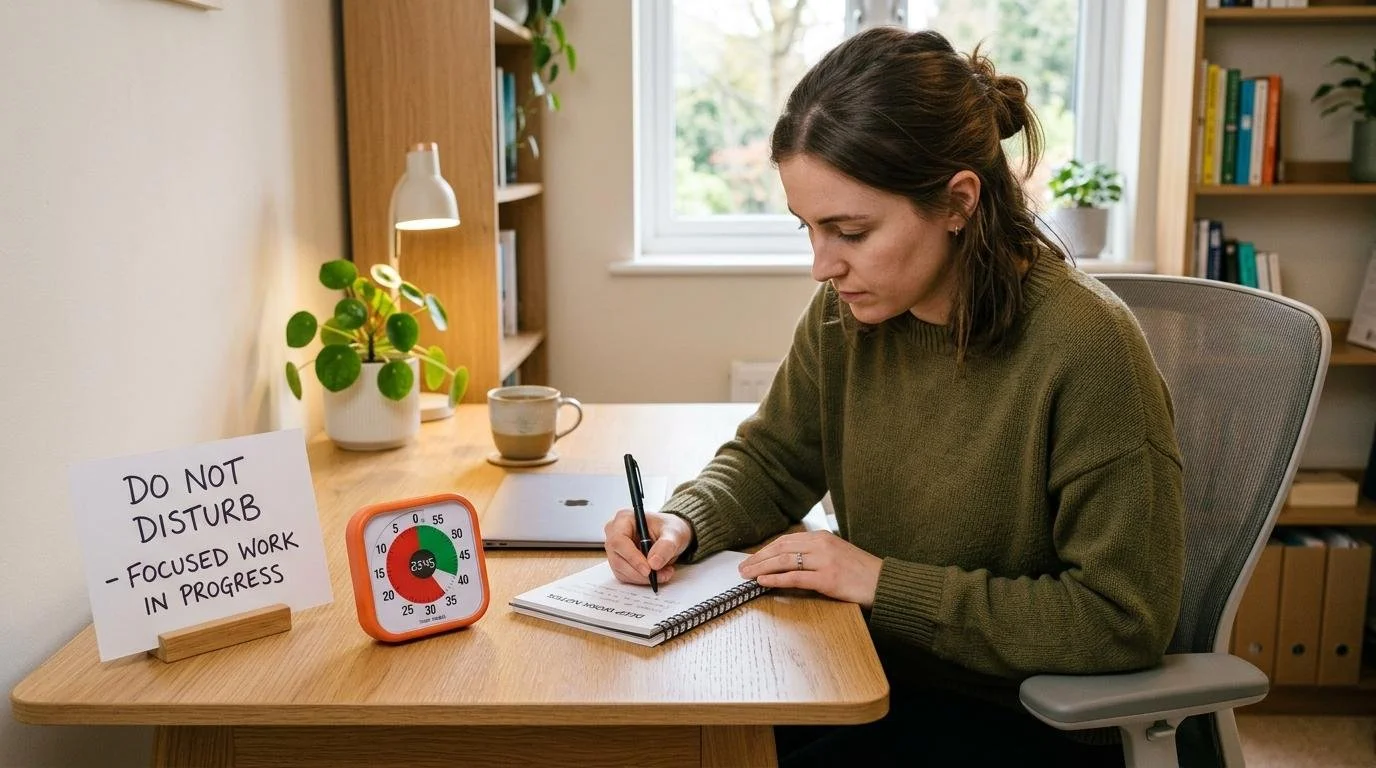
Task batching involves grouping similar activities together to concentrate your attention and reduce the mental effort of switching between different types of work. For example, setting aside specific blocks of time to answer emails, make phone calls, or complete administrative tasks can help you stay focused during peak productivity hours. This approach minimizes distractions and allows your brain to settle into a rhythm, which can lessen cognitive load and make your day feel more manageable.
Simple Boundaries to Protect Your Time
Establishing clear boundaries between work and personal life is essential to prevent external demands from overwhelming your energy. This might mean setting specific work hours, turning off notifications after a certain time, or communicating your availability to colleagues and family members. By defining these limits, you create a buffer that helps preserve your mental space and reduces the risk of burnout.
Quick Mental Resets for Ongoing Clarity
Throughout the day, taking brief moments to reset your mind can maintain your focus and calm. Techniques such as micro-breaks, deep breathing exercises, or a short walk outside provide a chance to step away from stressors and refresh your mental state. These small pauses can improve your overall sense of well-being and help you return to tasks with renewed clarity.
Winding Down: Evening Rituals for Restorative Calm
As the day draws to a close, taking time to gently transition from the busyness of daily life to a state of rest is essential. An evening wind-down routine plays a critical role in helping us process the events of the day and prepare our minds and bodies for restful sleep. By dedicating moments to calm and reflection, we create space for mental clarity and a calm lifestyle that supports overall well-being.

The Importance of an Evening Wind-Down Routine
Engaging in a consistent evening wind-down routine allows the mind to gently release the day's stresses and prepare for restorative sleep. This practice can include quiet activities such as reading, gentle stretching, or mindful breathing. By setting aside time to slow down, we reduce cognitive stimulation that might otherwise interfere with falling asleep. This intentional pause helps cultivate mental clarity and supports a calm lifestyle, making it easier to wake up refreshed and ready for the day ahead.
Gratitude Practice: Shifting Perspective for Positivity
Incorporating a gratitude practice into your evening routine is a simple habit that can have a meaningful impact on your mindset. Taking a few moments to reflect on things you are thankful for encourages a positive outlook and helps shift focus away from stressors. This habit nurtures emotional well-being and contributes to stress relief by fostering feelings of contentment and peace. Whether writing in a journal or quietly acknowledging gratitude, this practice can deepen your sense of calm as you prepare for rest.
Digital Detox Before Bed: Reducing Stimulation for Better Sleep
Reducing screen time before bedtime is a valuable stress relief tip that supports better sleep quality. The blue light emitted by phones, tablets, and computers can interfere with the body’s natural sleep signals, making it harder to fall asleep. By setting a digital curfew and engaging in screen-free activities, you allow your brain to unwind more fully. This simple boundary helps lower cognitive stimulation and promotes a more peaceful transition into sleep, enhancing overall mental clarity and relaxation.
Cultivating a Long-Term Calm Lifestyle
Creating a calm lifestyle is not about quick fixes but about adopting simple habits that support mental clarity and reduce overwhelm over time. By integrating mindful practices into daily routines, it becomes possible to maintain a peaceful state of mind even amidst life's demands. This section explores key approaches to sustaining calmness through ongoing habits.
Regular Decluttering for Mental Clarity
One of the most effective simple habits for a calm lifestyle is regular decluttering, both physically and digitally. Keeping living and workspaces tidy helps clear mental space, making it easier to focus and feel grounded. This practice is not a one-time event but a continuous process—setting aside a few minutes each day to organize or remove unnecessary items can prevent clutter from accumulating. Similarly, managing digital clutter by organizing files, unsubscribing from unwanted emails, and limiting app notifications protects mental clarity from distractions.
Mindful Consumption of Information and Media
Protecting mental space also involves being selective about the information and media we consume. Constant exposure to news, social media, and other content can lead to overwhelm and stress. Practicing mindful consumption means choosing sources that inform without causing anxiety and setting boundaries around screen time. This habit helps maintain a balanced perspective and reduces the mental noise that often disrupts calmness.
The Power of Saying 'No' and Maintaining Simple Boundaries
Establishing simple boundaries is fundamental to preserving a calm lifestyle. Learning to say 'no' when commitments or requests threaten to overload your schedule is a form of self-care that protects your time and energy. These boundaries can be as straightforward as limiting work hours, declining social invitations that feel draining, or setting clear expectations with others. By respecting your limits, you create space for rest and activities that nurture well-being.

Embracing the Journey: Your Path to Less Overwhelm
Finding ways to reduce overwhelm and invite calm into daily life often starts with small, intentional steps. Integrating simple habits into your routine can open the door to greater mental clarity and a more peaceful lifestyle. These stress relief tips are not about quick fixes but about nurturing a sustainable approach to managing life's demands.
The Power of Simple Habits for Stress Relief
Incorporating straightforward habits such as task batching, gratitude practice, setting simple boundaries, and an evening wind-down routine can gradually ease the weight of daily pressures. These practices help create structure and space for reflection, allowing your mind to rest and reset. Over time, these small changes accumulate, making it easier to navigate challenges with a calmer perspective.
Start Small and Practice Patience
It’s important to remember that adopting new habits is a personal journey. Begin by choosing one or two simple habits that resonate with you. Whether it’s dedicating five minutes each morning to gratitude or setting clear limits on work hours, these manageable steps can build confidence and momentum. Be patient with yourself and approach this process with kindness, understanding that progress unfolds gradually.
Commit and Share Your Experience
Taking the first step can be the most meaningful. We invite you to commit to one new habit this week and observe how it influences your sense of calm and mental clarity. Sharing your experiences with others can also provide encouragement and accountability, creating a supportive community focused on reducing overwhelm together.